Start with dust properties and operating conditions
Dust collector selection should not begin with equipment size alone. The first questions are dust type, particle size, moisture, temperature, explosibility risk, operating hours, airflow and the required emission target.
A factory with multiple dust points should also consider duct balance, fan pressure, future expansion and maintenance access. These details decide whether a standard unit is enough or a custom industrial dust collection system is required.
Baghouse or cartridge dust collector?
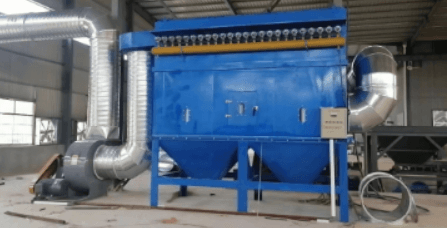
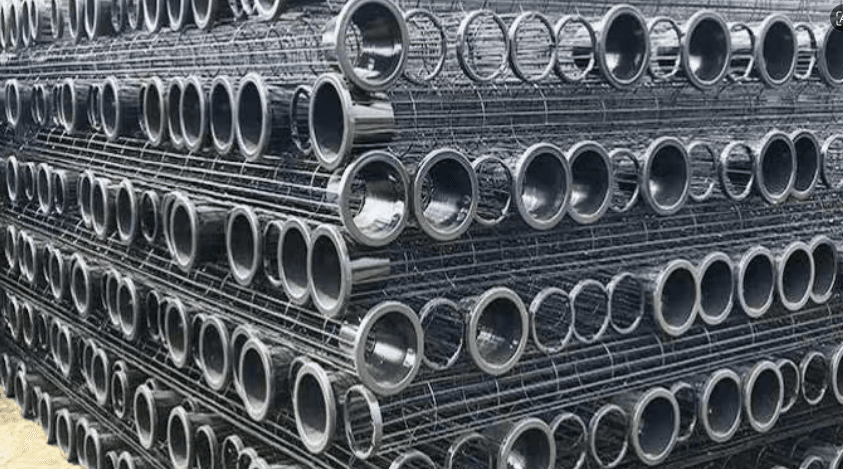
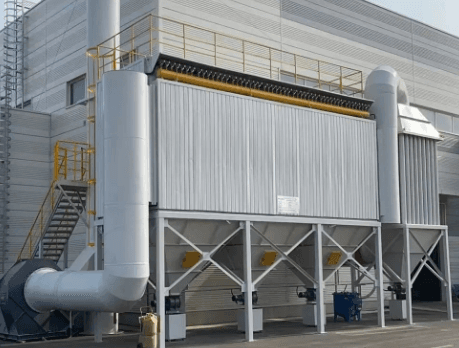
A baghouse dust collector is usually preferred for high airflow, heavy dust load and continuous production. A cartridge dust collector is often better for fine dust, welding fumes, cutting smoke and workshops with limited floor space.
For export projects, the choice should also consider container loading, local installation capability, filter replacement habits and the spare parts supply plan.
- Use baghouse collectors for high dust concentration, high temperature and large airflow.
- Use cartridge collectors for fine dust, compact installation and frequent maintenance access.
- Use a custom system when several stations, old lines or duct networks need to work together.
Information to prepare before asking for a quotation
Before sending an RFQ, prepare airflow, dust source, dust type, temperature, humidity, number of collection points, workshop layout, voltage standard and emission target. Photos and drawings can significantly improve proposal accuracy.
A complete inquiry helps the supplier calculate filtration area, fan pressure and duct layout instead of giving only a rough equipment price.